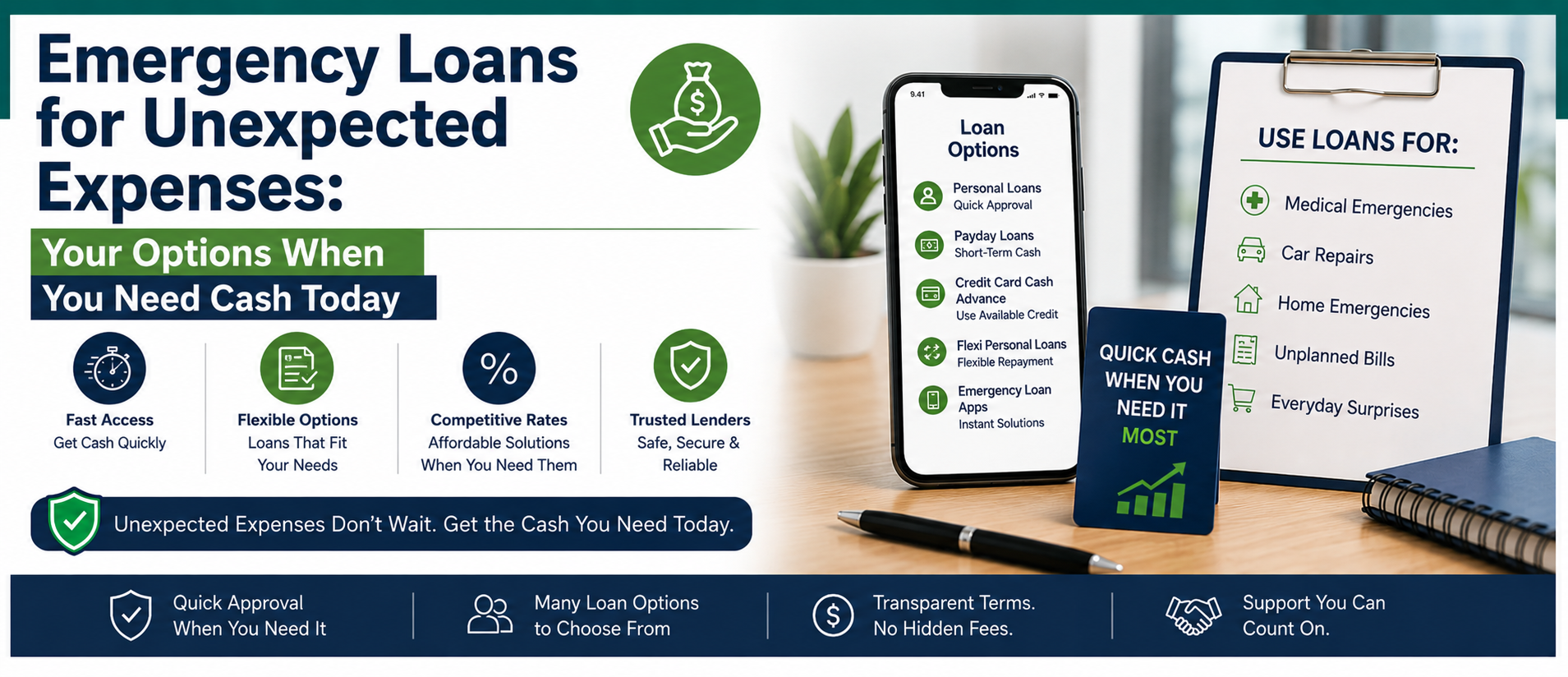
A car repair, a medical bill, a broken appliance, an emergency doesn’t wait for your next paycheck. When you need money quickly, you are tempted to simply take the first opportunity that offers you the same day funding, but the offers you have are quite different in cost and the fastest is not the cheapest. Below is the real and straight answer on what is available, in roughly order of cost, so that you can make a decision when you’re pressed without making it more costly than it needs to be.
Before You Borrow: Check If You Actually Need To
This step gets skipped constantly, and it shouldn’t be. Local non-profit and community organizations may help with certain expenses, such as utilities, rent, medical expenses, home repairs, etc., and may be able to cover the entire cost with no repayment necessary. Finding assistance programs by zip code in just a few minutes with 211.org is worth just five minutes, and before you take on a debt for something that may be covered by an assistance fund or grant. This is not always quick enough for a true “emergency”, however, if you have a few days of runway, then it is worth trying first.
Credit Union Payday Alternative Loans (PALs)
If you’re a credit union member, or can quickly become one, a Payday Alternative Loan is one of the best-kept secrets in emergency borrowing. Federal credit unions provide PALs that have been designed to beat predatory short-term loans, with the interest rate set by federal law at 28% APR and loan amounts as well as terms that will vary from credit union to credit union but are typically between $200 and $2,000 for as much as one year.
It is usually the least expensive legitimate emergency borrowing plan that you have if you are already a member, although it takes time to qualify (usually a month or more), it is better as a “know before you need it” option than a true last minute solution.
Online Personal Installment Loans
For borrowers who don’t have PAL access, a standard personal installment loan from an online lender is generally the next best option. Credit profile plays a huge role in the rate of any installment loan, with the average APR for people with good to excellent credit ranging anywhere from 11% to 15% and for those with weaker credit, it is significantly higher, but still in a far cry from what a payday lender would charge.
In fact, many online lenders will be able to finance a loan within one business day of receiving approval, which is a reality for an emergency rather than a lengthy bank process that could take a few weeks. While this can make it easy to use and quicker to get to, there is a compromise to pay this rate, which may be higher than you would be offered by a bank or credit union with a longer history. So take the time to compare two or three offers before deciding.
Credit Card Cash Advance
If you already have a credit card with available credit, a cash advance can put money in hand within minutes at an ATM. It’s genuinely fast, but it comes with real costs most people underestimate: cash advances typically carry a higher APR than your card’s standard purchase rate, start accruing interest immediately with no grace period, and often include an upfront cash advance fee on top, commonly 3% to 5% of the amount withdrawn. This can still be cheaper than a payday loan in many cases, but it’s not free money, and it’s worth paying it down as quickly as possible given the immediate interest accrual.
Secured Loans
When you have savings, a vehicle or other asset that you’re willing to use as collateral, a secured loan is likely to have a significantly lower interest rate than an unsecured loan, because the lender has less risk if you fail to pay back.
For example, a loan backed up by a savings account may be available quickly, because the lender does not risk losing his assets, although if something goes wrong in the repayment process, the savings account may be in jeopardy: something to consider carefully before taking this route to get a temporary cash infusion.
Employer Payroll Advances
Some employers offer payroll-deduction loans or paycheck advance programs as a workplace benefit, sometimes through providers like Kashable or TrueConnect, letting you access money you’ve already effectively earned, with repayment deducted automatically from future paychecks. When available, these tend to carry lower rates than payday loans and don’t typically require a credit check. Separately, paycheck advance apps have become popular for accessing a portion of earned wages before payday, but read the fee structure closely, some charge subscription fees or “tips” that function similarly to interest when calculated as an annualized rate, even though they’re not marketed that way.
Payday Loans: The Last Resort, Not the First Option
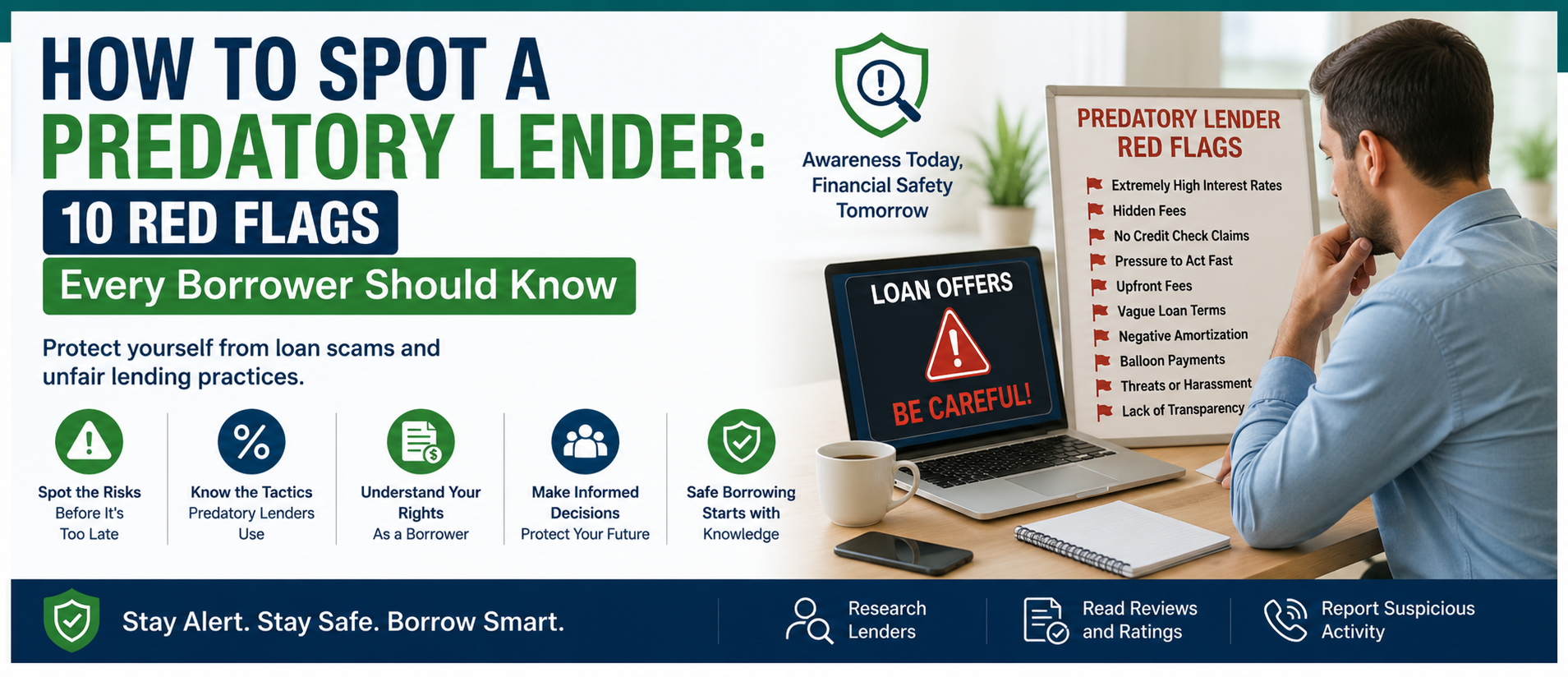
Payday loans are widely available and fast, often funding within the same day with minimal underwriting. Also, the biggest flat fee for any mainstream loan available is $15 per $100 borrowed annually which works out to around 390% to 400% APR, possibly more, depending on your state. They’re the most expensive mainstream borrowing option that exists.
When all the other options on the list above have been truly explored, and you are in an actual emergency, a payday loan may be your only quick solution – but it should only be considered as a last resort, for the reasons outlined above, and must be paid off as soon as possible to prevent it becoming an even larger, long-term debt.
What to Check Before You Choose Any Option
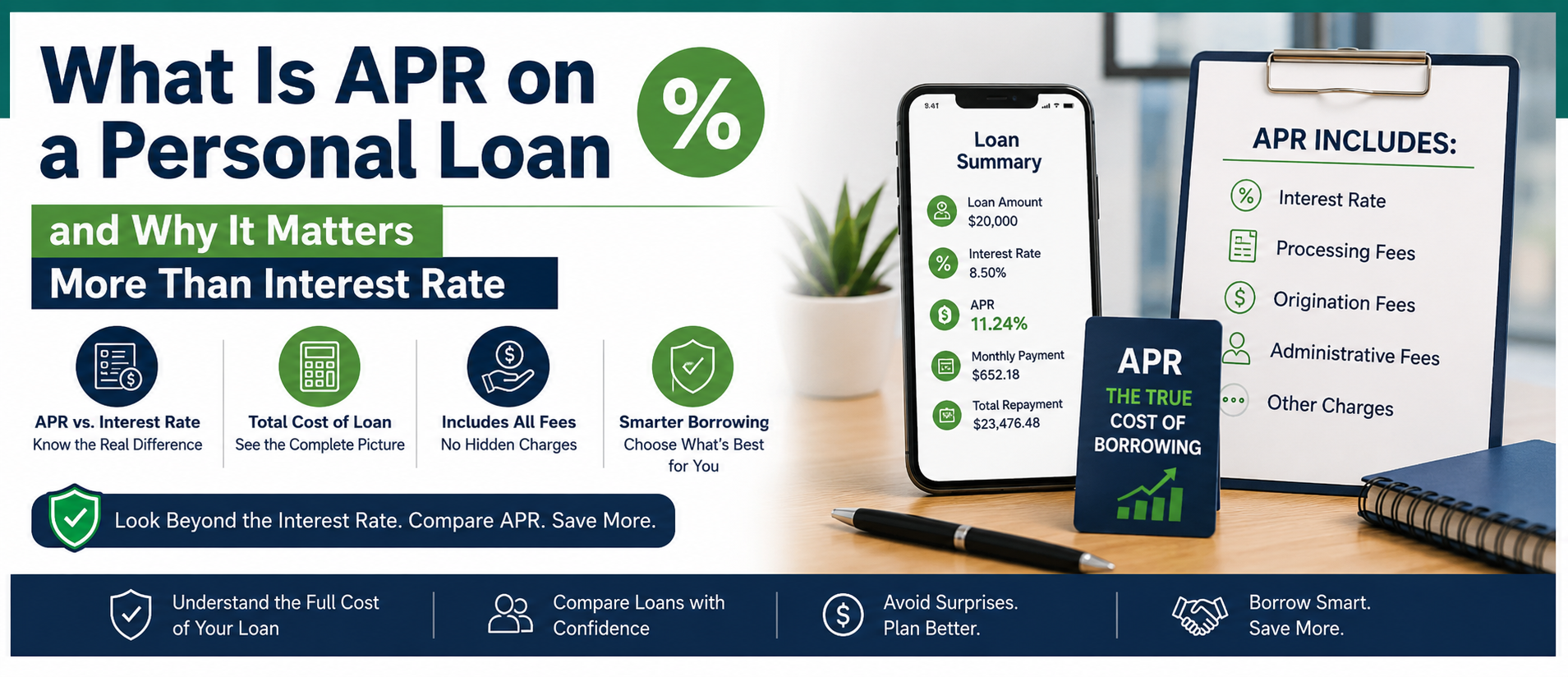
A few questions apply no matter which route you’re considering. Ask for the full APR, not just a headline interest rate or flat fee, since APR is the only number that reflects the true annualized cost across different loan structures. Confirm the actual funding timeline, some lenders advertise “fast approval” while funding still takes a day or two to actually land in your account, which matters if your emergency genuinely can’t wait.
And check for a prepayment penalty, since if there’s a chance you can repay early once your situation stabilizes, a loan without one saves real money.
Comparing Your Options in One Place
The right choice depends on your specific timeline, credit profile, and how much you need, but comparing actual offers side by side, rather than grabbing whichever ad appears first, is what actually saves money in an emergency. If you want to compare loan options quickly, including installment loans from lenders serving a range of credit profiles, theloans.pro provides educational resources on loan types and terms alongside tools to compare offers before you commit to anything.
FAQs
What’s the fastest way to get emergency cash?
A credit card cash advance is typically the fastest if you already have available credit, often available within minutes, though it carries meaningful fees and immediate interest. Online installment loans are usually the fastest option if you’re borrowing new money, often funding within one business day.
What’s the cheapest emergency loan option?
A credit union Payday Alternative Loan, capped at 28% APR by federal rule, is generally the cheapest legitimate emergency borrowing option, followed by a secured loan or a standard online installment loan with good credit.
Should I ever use a payday loan for an emergency?
Only as a genuine last resort after exhausting other options, given typical APRs around 390% to 400%. If used, it should be repaid as quickly as possible to avoid a costly rollover cycle.
Are there truly free options for emergency expenses?
Yes, for specific needs like utilities, rent, or medical costs, local nonprofit and community assistance programs found through 211.org sometimes cover the expense entirely with no repayment required, and are worth checking before taking on any debt.

 Content List:
 Applying does NOT affect your FICO® Score!