Living on a fixed disability income already means every dollar is accounted for before it arrives. When an unexpected expense shows up, a car repair, a medical bill, a broken appliance, and your credit score isn’t strong, the options can feel limited. This guide covers loans for people on disability with bad credit: which income actually counts toward approval, what to be careful about before you borrow against benefit income, and which lower-cost routes are worth trying before you consider a traditional loan product. This is general information, not financial or legal advice, for guidance specific to your situation, a nonprofit credit counselor or benefits specialist can help.
Which Disability Income Actually Counts
Lenders don’t treat all disability income the same way, and understanding the difference matters before you apply anywhere.
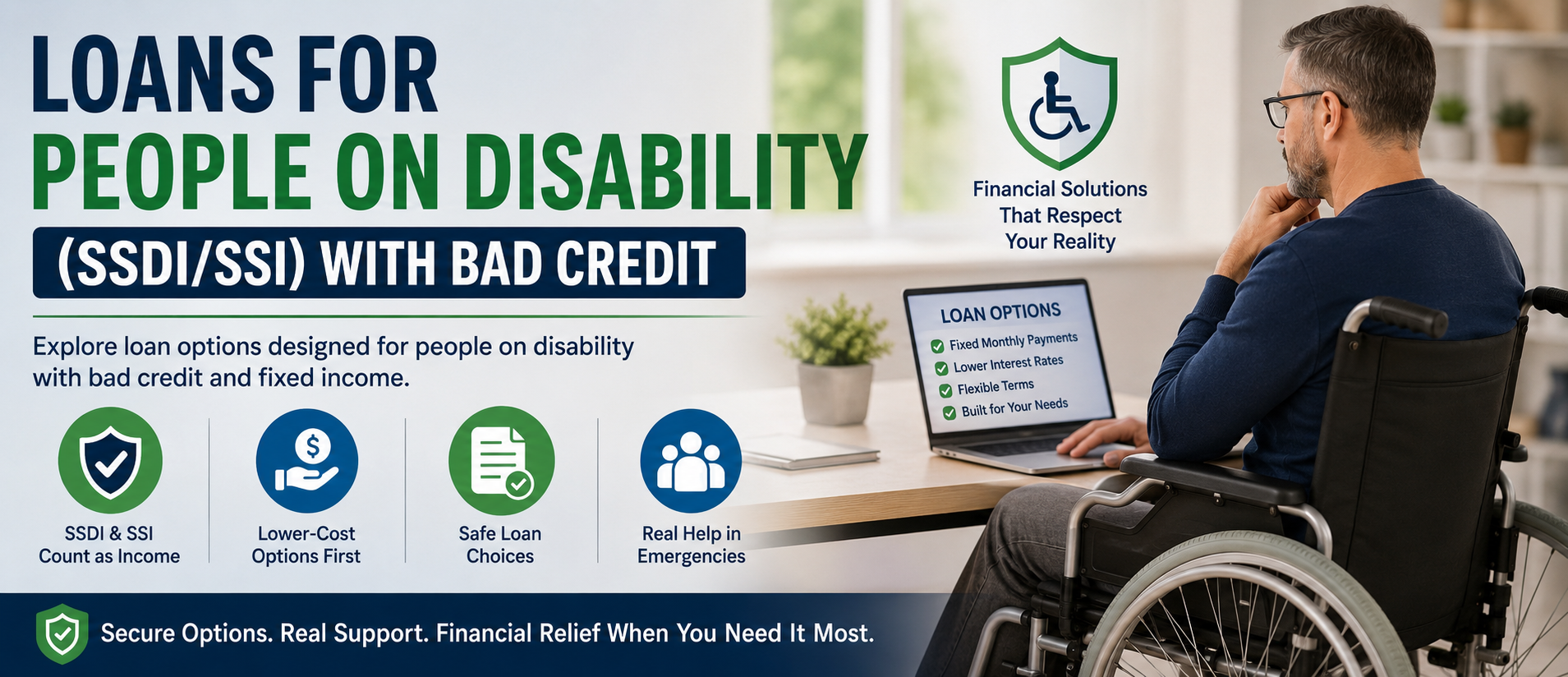
SSDI (Social Security Disability Insurance) is based on your prior work history and earnings record. Almost all lenders consider it as being reliable income similar to that of a paycheck, and so it is treated just like you were making a salary from a W-2 job.
SSI (Supplemental Security Income) is a needs-based program where applicants have very low income and financial resources, and the amounts received are normally lower compared to those received under Social Security Disability Insurance. However, despite being considered income by lenders, the small amounts received make qualification quite difficult. This is the reality behind searches for personal loans for SSI recipients, approval is less about whether the income counts at all, and more about whether it’s large enough to comfortably support a new monthly payment.
Either way, most lenders will ask for your Social Security award letter, recent bank statements showing the deposits, or a Benefits Verification letter, which you can generate directly through your My Social Security account.
Benefit-Protection Cautions Before You Borrow
A few protections and risks are worth understanding before you take on any loan against disability income.
- SSDI and SSI benefits are normally exempt from being garnished by any creditor. This benefit is important, but it does not imply that defaulting on payments is without repercussions. It will likely have an impact on your credit score, collection calls, and your borrowing capacity in the future.
- Benefit income cannot be taken away, so the lending institution sees the disabled borrower as being more risky, thus the high-interest rates charged on these bad credit disability loans compared to the regular personal loan.
- Beware of lenders or loan offers which require you to provide banking access linked to automatic withdrawal of the total amount in your benefit deposit account, or which insist you borrow more money than necessary. It is important to note that a monthly loan repayment should not put you in a situation where you lack rent, utilities, and medication for the month.
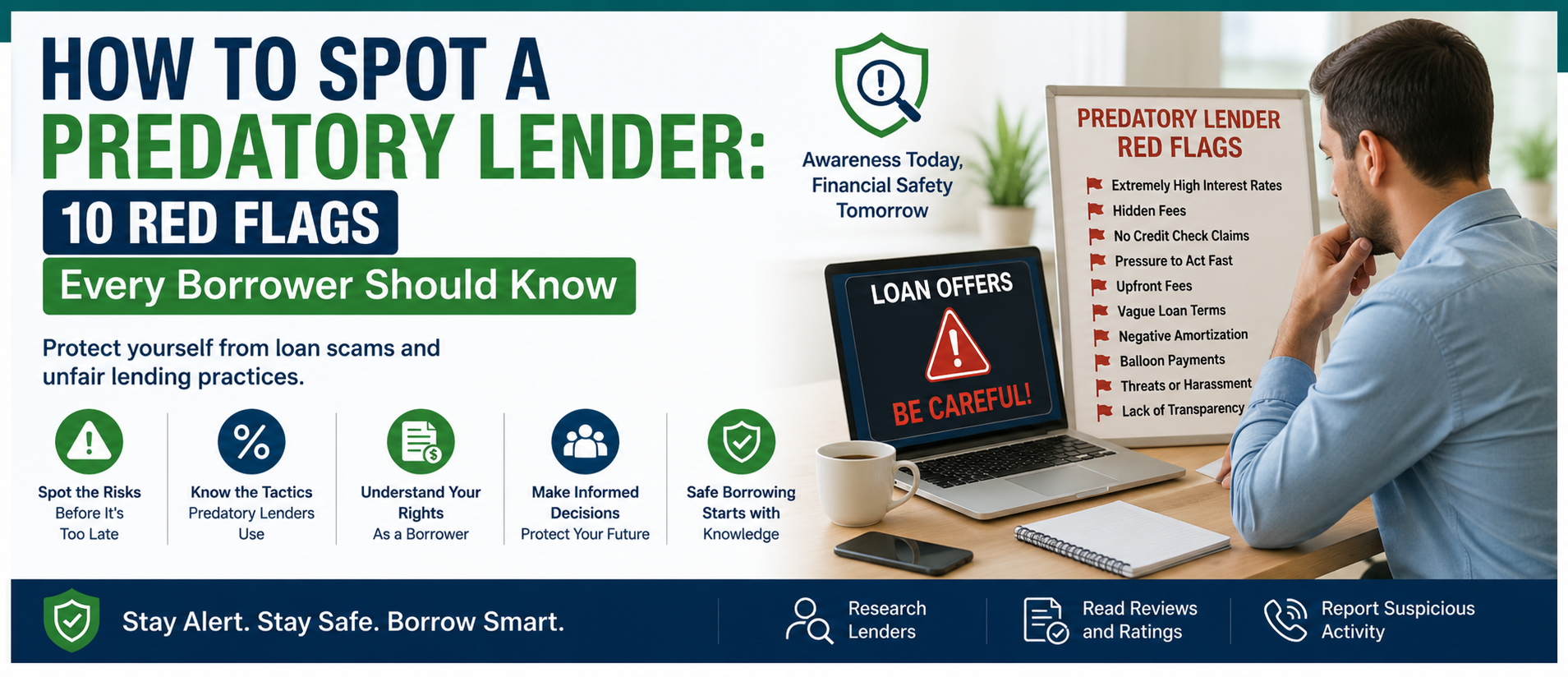
- Watch out for scams targeting disabled recipients in particular, a reputable lender would never provide you with such guarantees before analyzing your details, and will not charge fees before lending money to you.
Lower-Cost Routes Worth Trying First
A standard installment loan should only be applied after considering a couple of less expensive alternatives first which can be more easily qualified for and have more favorable repayment plans.
- Credit union Payday Alternative Loans (PALs). These are special loans provided by credit unions to individuals to serve as a better option than traditional payday loans. The federal limit on the annual percentage rate on these loans is only 28%. They involve small loan amounts and terms ranging from one to twelve months.
- Nonprofit and community assistance programs. Many local nonprofits, religious organizations, and area Agencies on Aging offer emergency assistance grants for specific needs, utility bills, medical costs, home repairs, that don’t need to be repaid at all. The website 211.org is a good starting point to search assistance programs by ZIP code.
- Vocational rehabilitation programs and disability-specific help, where funding may include low-interest or interest-free loans based on job-related devices or accessibility needs.
- A secured loan from your savings, if you have any, because this will normally come with much lower interest than a personal loan because the risk involved is much less.
When an Installment Loan Makes Sense
If you’ve weighed the lower-cost options and still need financing, installment loans on disability income are typically a better structure than payday loans, since they spread repayment over a fixed term with predictable monthly payments rather than requiring a lump-sum repayment in a few weeks. When comparing offers, prioritize:
- A fixed monthly payment you can comfortably absorb alongside your existing expenses, ideally well under what your budget can handle even in a tight month.
- No prepayment penalty, so you can pay it off early if your situation improves.
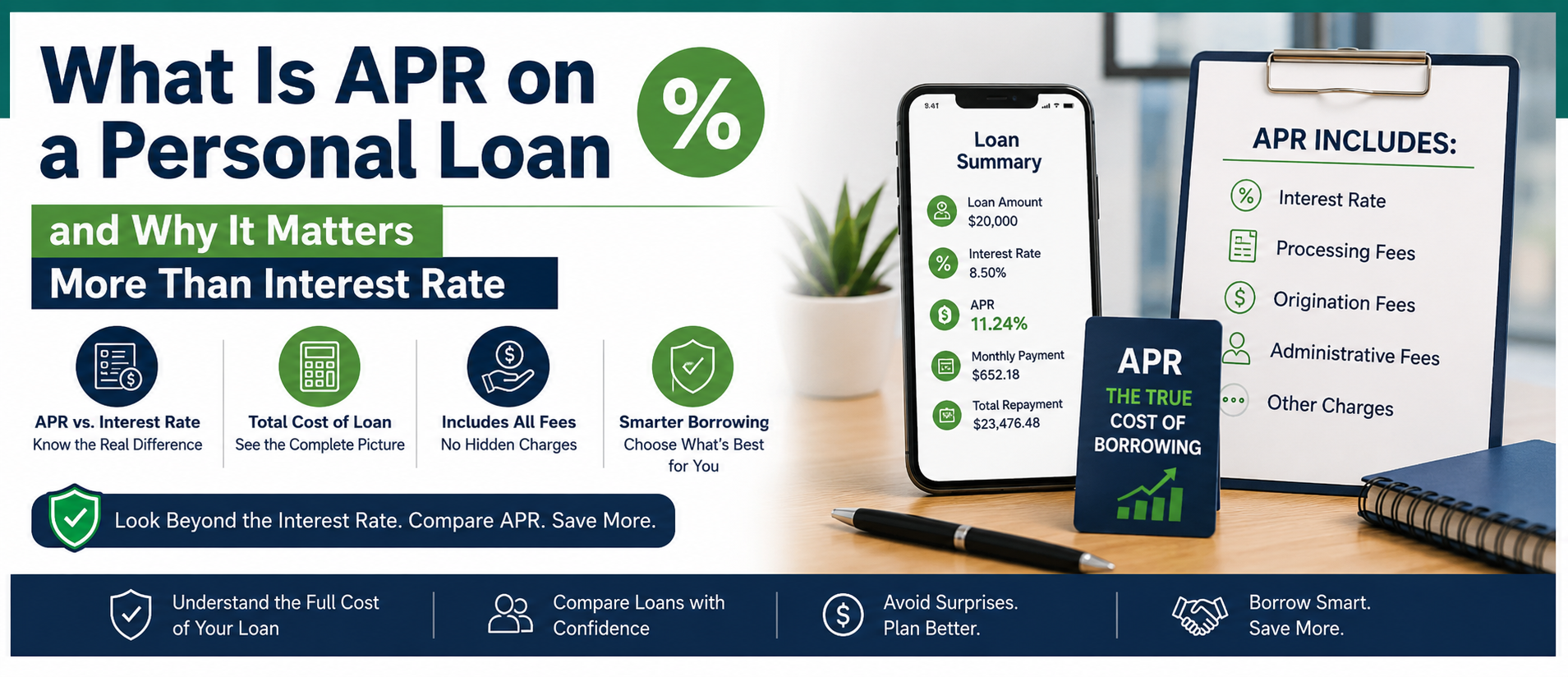
- A clearly disclosed APR and total repayment amount before you sign anything, if a lender won’t show you the full cost upfront, that’s a reason to walk away.
- Realistic approval criteria. Lenders working with bad-credit and fixed-income borrowers typically look more closely at your income-to-payment ratio and deposit history than at your credit score alone.
For a Genuine Emergency
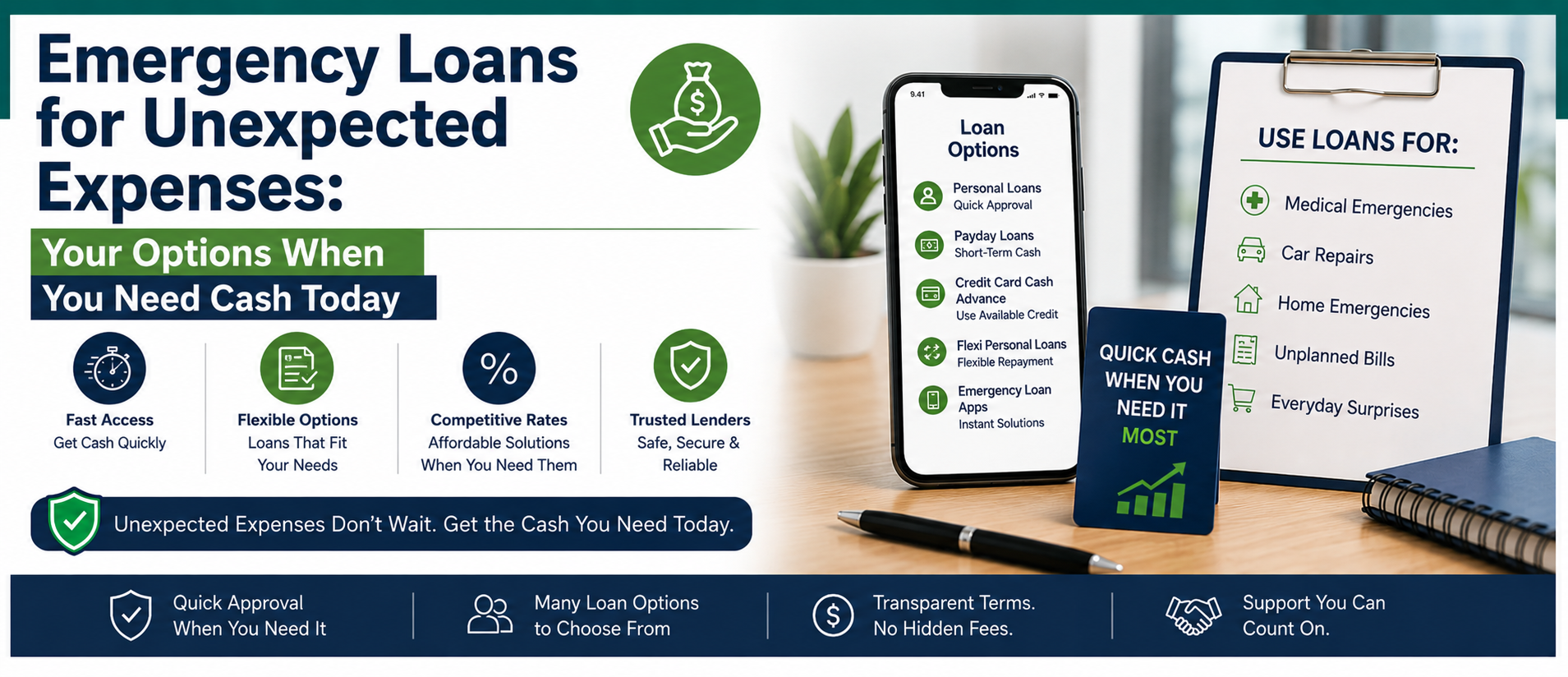
If you’re facing a true emergency, an eviction risk, a medical crisis, a utility shutoff, it’s worth exploring emergency loans on disability options alongside, not instead of, emergency assistance programs. Many 211-listed organizations and hospital financial assistance departments can move faster than a loan application and don’t add a repayment obligation on top of an already difficult month. Reserve borrowing for situations where those options have been checked first and genuinely don’t cover the gap.
Getting Started
Whichever direction fits your situation, the safest first step is comparing your real, full cost of borrowing, not just a headline monthly payment, before committing to anything. If you’re ready to see what installment loan options may be available based on your income and credit profile, you can compare offers through theloans.pro, which connects borrowers with lenders that consider a range of income types, including disability benefits.
FAQs
Does SSDI or SSI count as income for a loan application?
Yes, most lenders accept both as valid income, though SSDI is generally treated more like traditional wage income while SSI’s typically smaller payment amounts can limit loan size regardless of your credit.
Can my Social Security benefits be taken if I default on a personal loan?
Federal law generally protects SSDI and SSI from garnishment by private creditors, including most personal loan lenders, though defaulting can still damage your credit and lead to collections activity.
What’s a safer alternative to a payday loan for someone on disability?
A credit union Payday Alternative Loan (PAL) is capped at 28% APR by federal rule and is specifically designed as a lower-cost option compared to payday lending.
Where can I find free emergency assistance instead of borrowing?
211.org lets you search local nonprofit and community assistance programs by ZIP code, covering needs like utilities, rent, and medical costs that may not require repayment at all.

 Content List:
 Applying does NOT affect your FICO® Score!