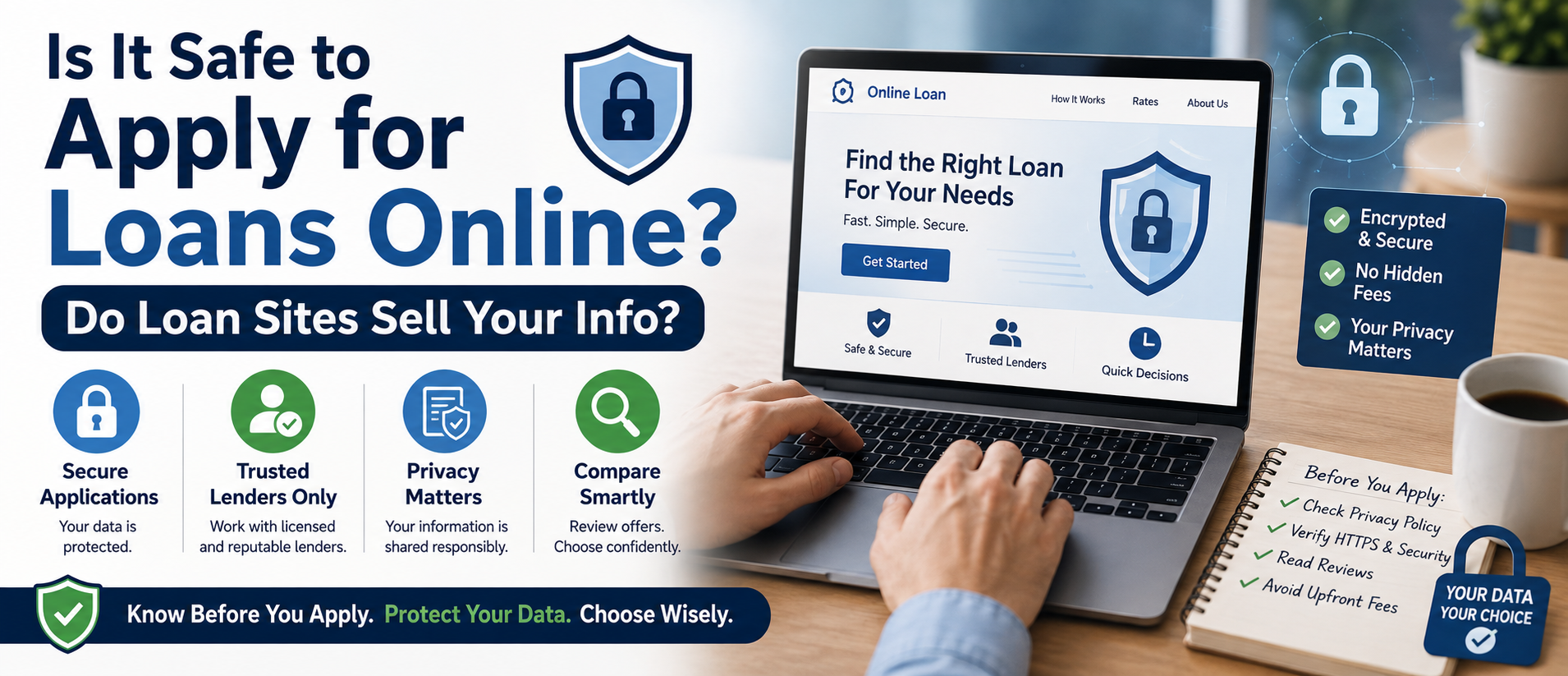
Filling out a loan application means typing your name, income, employment details, and often your Social Security number into a website you may have never heard of until an hour ago. It’s a reasonable moment to pause and ask: Is it safe to apply for loans online, and what actually happens to your information once you hit submit? The honest answer is that it depends heavily on which site you’re using and what kind of site it is, and understanding that distinction is the real key to staying safe.
Are Online Loan Applications Safe? The Short Answer
Are online loan applications safe, generally speaking? Yes, when you’re dealing with a properly licensed lender or a legitimate comparison platform using standard encryption and disclosed data practices. Online lending is now a mainstream, heavily regulated part of the financial industry, and reputable platforms are required to follow the same consumer protection laws: Truth in Lending Act disclosures, Gramm-Leach-Bliley Act privacy safeguards, that govern traditional banks.
The risk isn’t “online lending” as a category. The risk is the subset of sites built specifically to harvest personal and financial information under the pretense of a loan offer, with no real lending relationship behind them at all. Telling the two apart is the actual skill worth building.
Do Loan Sites Sell Your Information? The Honest Answer
Do loan sites sell your information? This is the question people are usually really asking, and it deserves a direct, unglamorized answer: it depends on what kind of site you’re using, and yes, in a meaningful sense, many of them do share it, though usually in a way that’s disclosed and directly tied to the service you asked for.
Here’s the distinction that actually matters. A loan marketplace or comparison site doesn’t lend you money directly. Its entire function is matching your application details with a network of participating lenders who might approve you. To do that, it necessarily shares your information (income, requested amount, credit profile, contact details) with lenders in its network so they can evaluate and potentially offer you a loan. This is stated in the site’s privacy policy, this is the whole process of the service, and this is how you end up getting a number of offers for you to compare rather than apply to a dozen different lenders separately.
While it’s not exactly a “sale” of your personal data to an unrelated advertiser or data broker, a legitimate marketplace will generally provide a formal opt-out for this classification because of laws such as the CCPA.
That’s a significant difference from a “scam” or “low quality lead generation” site, where the business model is to take in applications with the plan of selling your contact and financial information to the highest bidder, whether that’s a debt collector, some marketer, or even, in the worst cases, a scam. On these sites, the application wasn’t really an application for a loan; it was a data collection form that passed for an application.
How to Tell If a Loan Site Is Legit
As it’s not always clear from the home page that you’re about to be connected with a legitimate marketplace versus the data-harvesting operation, so here is what to look for before putting in your personal information.
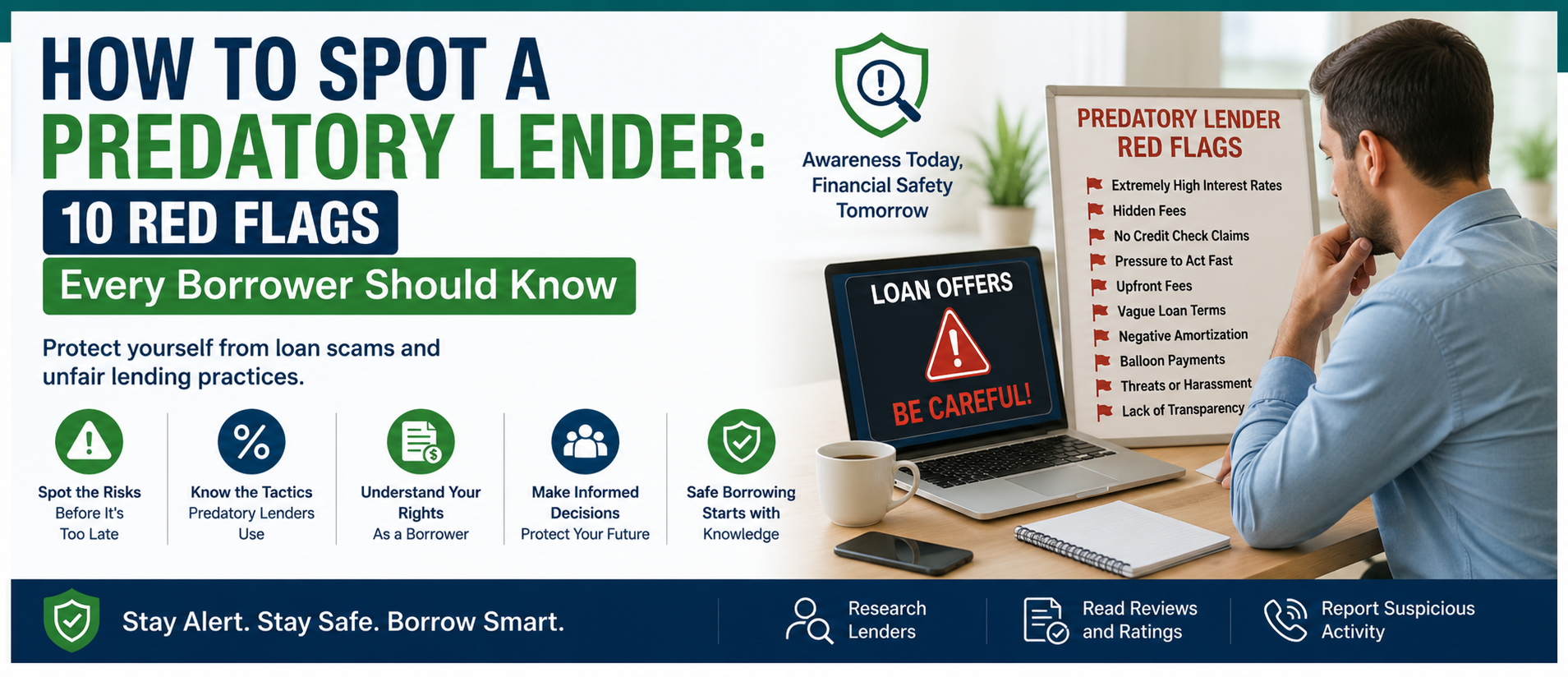
- Check for a real, specific privacy policy, not one that is just a placeholder page, and find out what they are collecting, who they’re sharing it with, and why. One of the easiest to spot red flags is a lack of a privacy policy or a policy that lacks clarity.
- Check for HTTPS and a valid SSL certificate. This is table stakes, but not proof of legitimacy by itself – however, it is a necessary condition for qualification.
- Search the company name plus “reviews” or “complaints” before applying, and see if the company is licensed or registered through the Better Business Bureau or some other state licensing authority.
- Be wary of guaranteed approval claims. No legitimate lender or marketplace can guarantee approval before reviewing your actual application, that promise alone is a strong scam indicator.
- Never pay an upfront fee to “unlock” a loan or approval. Legitimate lenders deduct fees from loan proceeds or add them to the APR; they don’t ask for a gift card or wire transfer before releasing funds.
- Confirm whether the site is a direct lender or a marketplace, and understand which one you’re using, both can be legitimate, but they behave differently with your data, and knowing which you’re dealing with sets the right expectations.
What to Do Before You Apply Anywhere
A few habits reduce your exposure regardless of which specific site you use: read the privacy policy before submitting, specifically checking the section on information sharing; only provide a Social Security number once you’re actually ready to move forward with a real application, not just to “check rates” on a site that doesn’t clearly explain why it’s needed; and keep a mental (or actual) list of which sites you’ve applied through, so you can trace back the source if you start receiving unexpected calls or offers afterward.
Comparing Loan Options the Transparent Way
Loan comparison platforms exist to save you the time of applying to lenders one by one, and that model depends on sharing your information with the lenders in its network, that’s the mechanism, not a hidden catch. What matters is whether that sharing is disclosed clearly and limited to the purpose you actually signed up for.
If you’re comparing loan options and want to see how this process works with clear disclosures at every step, theloans.pro provides educational resources on loan types and terms alongside its comparison tools, so you can understand exactly what you’re applying for before you submit anything.
FAQs
Is it safe to apply for loans online?
Generally yes, when the site is a licensed lender or a legitimate marketplace using encryption and disclosed data practices, the real risk comes from unlicensed sites built purely to harvest personal information.
Do loan sites sell your information?
Legitimate marketplaces provide your data to a network of participating lenders as a disclosed, required step in helping to match you with an offer, whereas a scam site sells your data to an unrelated third party with no lending business relationship whatsoever.
How can I tell if a loan site is legit before applying?
Before funding, check for a specific detailed privacy policy, valid HTTPS encryption, verifiable licensing or BBB listing and suspicious guarantees of approval, or up-front payments.
Should I be worried if I start getting calls after applying for a loan online?
It depends on the site, legitimate marketplaces disclose that participating lenders may contact you directly, but a wave of unrelated calls or offers after using a low-quality site can indicate your information was shared beyond what was disclosed.

 Content List:
 Applying does NOT affect your FICO® Score!